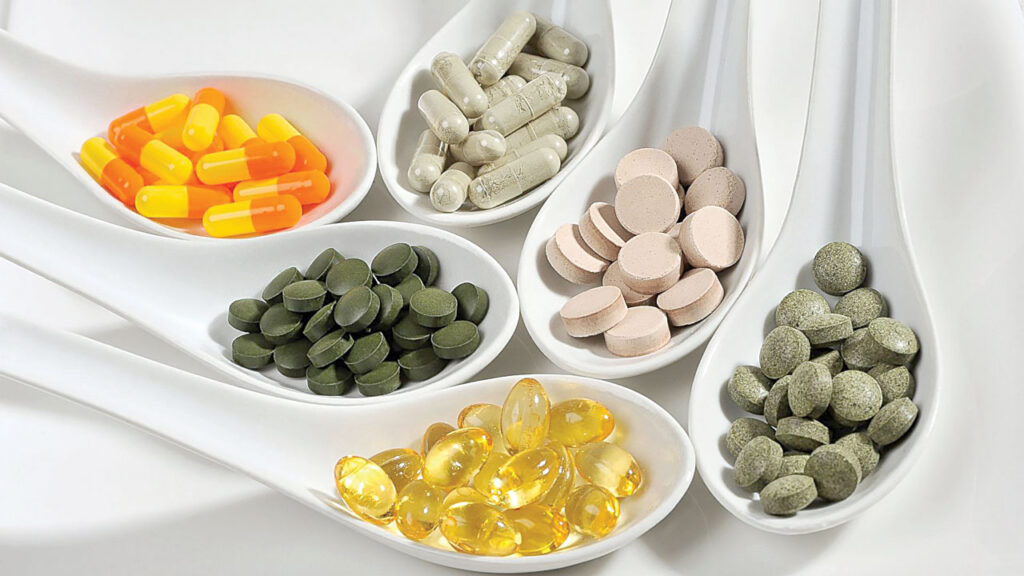


There are currently 17 groups of antibiotics on the Vietnamese market with about 500 generic drug names and thousands of different brand names. If you ask using the brand name, sometimes even pharmacists and doctors do not dare to answer, because not only are there many different drug names, each type of drug is also prepared in many forms such as: injection, oral, topical; in which, oral and topical drugs also have many different forms. For example, oral drugs include: pills (tablets, sugar-coated tablets, enteric-coated tablets, capsules…), liquid drugs (emulsions, syrups, solutions), packet drugs, granules; topical drugs include: vaginal suppositories, eye drops, ear drops, ointments, eye drops, topical applications, nasal sprays…
Therefore, the regulations for using antibiotics must be prescribed by a doctor before being purchased and used.
When do you need to use antibiotics?
According to medical experts, diseases caused by bacterial and infectious diseases must be treated with antibiotics. Each type of antibiotic will have a certain treatment dose. However, there are some types of antibiotics such as Beta lactam, Carbapenem, Quinolon, Glycoside,… in some cases where the patient is seriously ill or has sepsis, the dose must be increased (maybe doubled) to ensure increased treatment results, can resist bacteria, especially drug-resistant bacteria in severe infections.
Although antibiotics are effective in treating bacterial and infectious diseases, they still have unwanted side effects. Specifically, when the patient is allergic to that type of antibiotic, they may experience hives, itching,… In severe cases, the patient may experience anaphylactic shock leading to death. Therefore, contraindications when using antibiotics may be taking them on an empty stomach, or when full, or injecting them at an appropriate time.
In addition, antibiotic abuse in prescription and treatment is also extremely dangerous. Antibiotics are only used in cases where the patient is infected with bacteria. In other cases, antibiotics are used when there is no bacterial infection, which is called unnecessary antibiotic abuse. For example: In cases of inflammation that are not infections (bacteria), or in cases of viral or parasitic infections, antibiotics are not needed.
How dangerous is antibiotic abuse?
Antibiotic abuse in prescription treatment is not only costly (not needed but have to buy, there are very expensive antibiotics), but also causes side effects such as intestinal dysbiosis, causing diarrhea or digestive disorders, drug resistance, drug shock, and more dangerously, increasing the number of drug-resistant bacteria. Recently, experts have noted that improper use of antibiotics has led to drug-resistant mutant bacteria, making it increasingly difficult to treat.
Discussing the news that a super-resistant strain of bacteria has appeared in the US, resistant to all antibiotics, causing panic among the people, doctors at the University of Medicine and Pharmacy Hospital, Ho Chi Minh City said: perhaps up to now, the US has never discovered this type of super-resistant bacteria, but in the world, there have been scattered bacteria resistant to all antibiotics. For example: in Asia Pacific, the rate of super-resistant bacteria Acinetobacter baumannii is 0.8%, Taiwan is 5.4%,
China is 3.8%, in Europe the rate is lower. The mechanism of super-resistant bacteria is to secrete an enzyme that resists the strongest antibiotics today.

How to use antibiotics safely?
According to the recommendations of medical experts, antibiotics should only be used for infections that require antibiotic treatment. Patients who want to use antibiotics need to be examined, diagnosed and prescribed antibiotics by a doctor. They should not buy medicine or antibiotics on their own for treatment because they will not know whether the use of antibiotics is necessary or not, the correct dosage and duration of use. One of the current shortcomings is that people have access to antibiotics too easily. The decision to use antibiotics to treat a disease requires a doctor’s prescription, helping to use the correct and sufficient dosage.
In addition, it is also necessary to know some basic principles when using antibiotics such as:
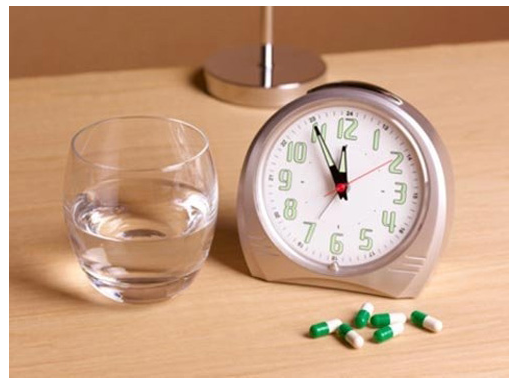
– Take the right dose, at the right time interval to ensure the body always has enough medicine to fight bacteria. For example: the doctor prescribes: take 2 times/day, the interval between each dose is 12 hours. Take 3 times/day, the interval is 8 hours. Take the medicine for the number of days the doctor writes on the prescription (a course of treatment) is usually 7 or 10 days.
– The best medicine to take is green tea (fresh tea or dried tea buds) because green tea helps antibiotics speed up the rate of killing bacteria. If you cannot drink green tea, use boiled water.
The current increase in drug resistance, in addition to people buying medicine on their own and not following the doctor’s instructions, is also caused by doctors giving incorrect instructions (antibiotics are not needed but they are given antibiotics, given without The right antibiotic for that disease). In addition, there is the use of antibiotics for livestock (livestock, fish, …). The abuse of antibiotics causes antibiotic residues in livestock. When using these foods, people accidentally come into contact with and take into their bodies an amount of antibiotics that can easily cause drug-resistant bacteria to mutate.