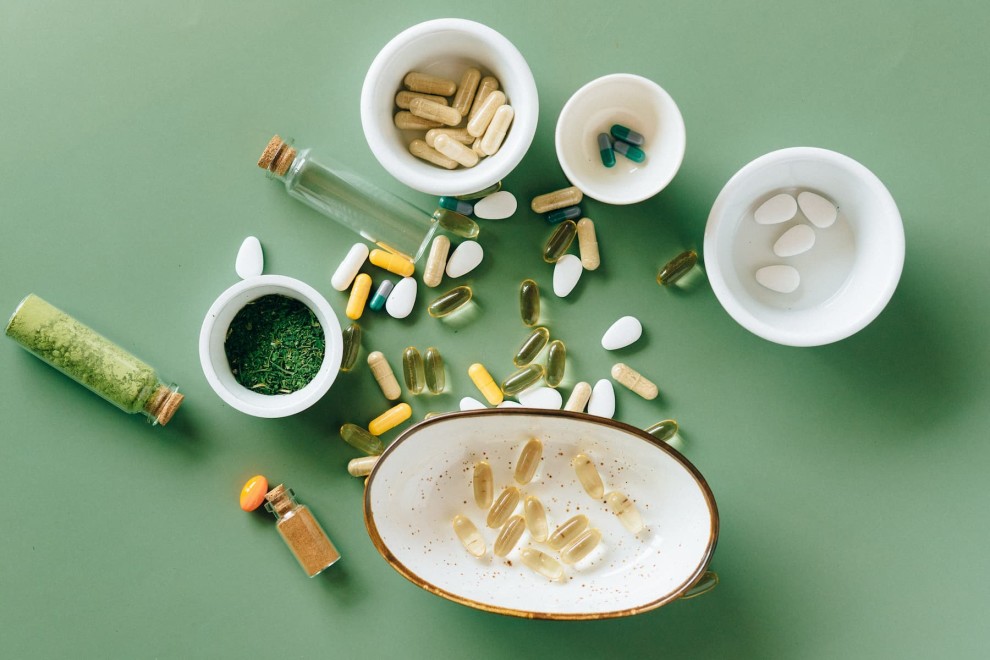



The confusion between the uses of functional foods and drugs makes it difficult for many consumers to distinguish. Functional foods (FF) have certain health benefits. However, many manufacturers have over-advertised their uses, making buyers unable to understand the nature of the product.
Correct understanding of the uses of FF
FF is a product that first appeared in Japan in the 1980s. The Japanese created edible products with higher nutritional values than daily foods. During the preparation process, foods will be selected for the necessary substances to supplement the body to help improve health.
“It is necessary to understand the true nature of FF, which cannot be a medicine. It is a product that supplements the body’s missing substances during the metabolism process, helping to improve the condition of the disease”

There should not be too clear a distinction between FF and drugs. In some specific cases, FF can also be called drugs. People with cramps due to calcium and vitamin D3 deficiency only need to supplement vitamin D3 and calcium. However, in cases where the patient has other diseases, supplementing dietary supplements is ineffective. In 2004, the Ministry of Health issued a circular defining dietary supplements as follows: “Dietary supplements are foods used to support the functions of organs in the human body, have the effect of supplementing nutrition, creating a comfortable state for the body, increasing resistance and reducing the risk of disease”. Dietary supplements are divided into many different groups: – Group of foods of animal origin (dairy products, meat, fish …) and foods of plant origin (soy sauce, vegetables, fresh fruits …). These foods are processed to retain important nutrients and remove unnecessary nutrients, and can be used by everyone. – The group of food components is divided into 6 types: dietary fiber, polysaccharides (oligosaccharides), amino acids, peptides and proteins, vitamins and minerals, lactic acid bacteria, fatty acids. This product is produced for a special group of people who need it.

How is medicine different from dietary supplements?
Medicines play a role in the body’s metabolic activities. They change the physiological or pathological structure of the body to repair damage in the body, helping to better predict the disease. Medicines help reduce symptoms, restore and regulate body functions. Medicines are prepared in the form of tablets and mixtures of animal, plant, mineral, pharmaceutical, and biological origin. Drugs can be classified in many different ways such as purpose of use, chemical properties, mechanism, effect on biological system, or treatment effectiveness… The technique of preparing functional foods does not need to be too high, but the preparation of drugs has a strict process and complex techniques. The FDA (USA) stipulates that registered drugs only have a maximum exclusive value of 10 years. When the expiration date is near, the drug will be clinically tested to evaluate its effects and effectiveness. “Drugs are the results and products of medicine that need to be based on evidence, not on inference. The uses of functional foods are based on the potential value from inference. A functional food product when in circulation has unlimited exclusive value in time and there is no clinical trial after 10 years of use.” Unlike dietary supplements, drugs have very strict regulations that require clearly stating the ingredients or compounds, their uses and regulations, how they are metabolized in the body, how they are eliminated, side effects, content, etc.

FAQs
1. How are functional foods different from drugs?
Functional foods are products that supplement nutrients, vitamins, and minerals to support health. Drugs are products used to treat and prevent diseases, with clear pharmacological effects.
2. Can functional foods replace drugs?
No. Functional foods only support health, they cannot replace drugs to treat diseases. If you have symptoms of disease, you need to see a doctor and take medicine as prescribed.
3. Do drugs work faster than functional foods?
Yes. Drugs work quickly to treat diseases because they contain pharmacological ingredients. Meanwhile, functional foods need a long time to support and improve overall health.
4. Should I take medicine and functional foods at the same time?
The use of medicine and functional foods at the same time requires the guidance of a doctor. Some functional foods can interact with medicine, affecting the treatment effectiveness.
5. Are functional foods regulated like drugs?
No. Functional foods are not drugs and are not subject to strict control by drug management agencies like medical drugs, although they still have to comply with food safety regulations.